

The Deadliest Jellyfish in the Ocean: What Surfers Need to Know About Box Jellyfish
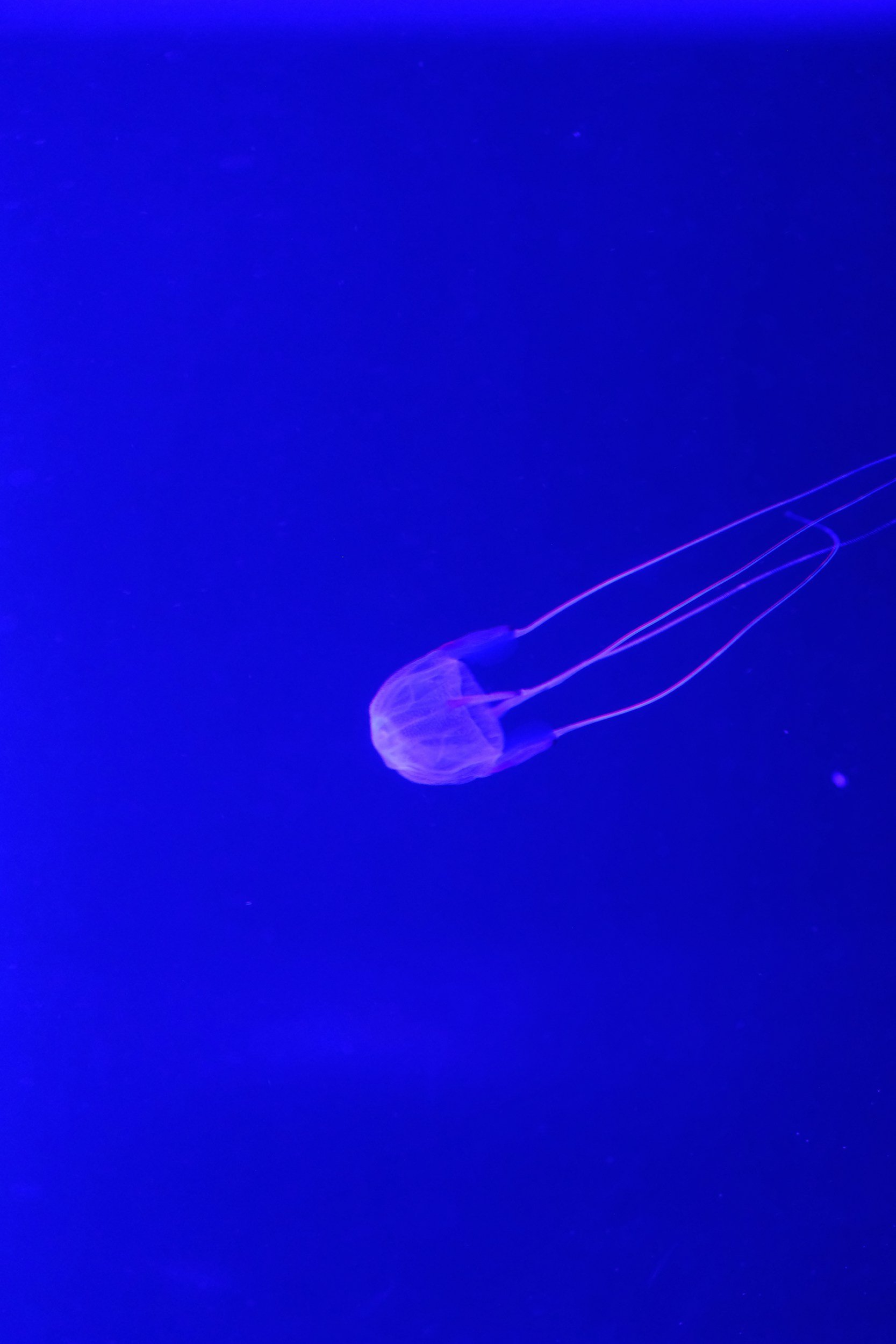
A surfer’s guide to one of the world’s most dangerous marine hazards
Most surfers worry about reefs, sharks, or hold-downs.
Far fewer think about jellyfish.
Yet the Australian box jellyfish (Chironex fleckeri) is considered one of the most venomous animals on Earth and has caused more documented deaths in Australian waters than sharks over the past century.
For surfers traveling through northern Australia, Papua New Guinea, Southeast Asia, and parts of the tropical Indo-Pacific, understanding box jellyfish risks is just as important as checking the surf forecast.
What Is a Box Jellyfish?
Unlike the familiar moon jellyfish seen in many coastal waters, box jellyfish belong to a different group known as cubozoans.
Their nearly transparent bodies make them extremely difficult to see in the water.
The most dangerous species is the Australian box jellyfish (Chironex fleckeri), which can grow to the size of a basketball and trail tentacles several meters long.
Each tentacle contains thousands of microscopic stinging cells capable of injecting venom almost instantly upon contact.
Why Are Box Jellyfish So Dangerous?
The venom attacks multiple body systems simultaneously.
It can:
Cause immediate severe pain
Damage skin and soft tissues
Destroy red blood cells
Affect the heart’s electrical system
Trigger cardiovascular collapse
In severe cases, death can occur within minutes.
The greatest danger is often the location of the sting. Many incidents occur on remote beaches where advanced medical care is not immediately available.
Where Are Box Jellyfish Found?
The highest-risk areas include:
Northern Australia
Queensland
Northern Territory
Papua New Guinea
Parts of Indonesia
Malaysia
The Philippines
Other tropical Indo-Pacific regions
Risk is highest during Australia’s “stinger season,” generally from October through May, although local patterns vary.
Surfers traveling to remote tropical destinations should always research local marine hazards before entering the water.
What About Indonesia?
Indonesia is not as famous for deadly box jellyfish as northern Australia, but cubozoan species do exist throughout the Indo-Pacific.
Most surfers visiting Bali, the Mentawais, Sumbawa, Nias, or Raja Ampat will never encounter a dangerous box jellyfish.
However, the possibility exists, particularly in tropical coastal waters.
More commonly, surfers in Indonesia encounter:
Portuguese man-of-war
Fire coral
Sea urchins
Reef-related injuries
Marine infections
First Aid for a Suspected Box Jellyfish Sting
If a box jellyfish sting is suspected:
1. Exit the water immediately
The victim may become incapacitated rapidly.
2. Call for emergency medical help
Severe stings can become life-threatening within minutes.
3. Apply vinegar
Vinegar helps deactivate unfired stinging cells and remains the recommended first-aid treatment in most Indo-Pacific regions.
4. Carefully remove tentacles
Use gloves, forceps, or another barrier if available.
5. Monitor breathing and circulation
Be prepared to begin CPR if necessary.
6. Seek urgent medical care
Even victims who initially appear stable can deteriorate.
Avoid using fresh water directly on the sting, as this may trigger additional venom release.
Why Remote Surf Travel Changes the Equation
A reef cut in Bali may only be a short drive from a hospital.
A serious injury in the Mentawai Islands, outer Papua, or a remote boat trip can be very different.
Medical emergencies in remote surf destinations may require:
Boat transport
Helicopter evacuation
Fixed-wing air transport
International medical transfer
Coordination between local and international healthcare systems
This is where many surfers discover that standard travel insurance and medical evacuation services are not necessarily the same thing.
From a Surfer + Medical Perspective
As both a surfer and medical professional, I think the biggest mistake travelers make is focusing only on the injury itself.
Most surfers understand the risks of reefs, infections, and marine life.
What they often underestimate is the logistical challenge of getting appropriate medical care when something serious happens far from major hospitals.
Thankfully, severe box jellyfish stings are rare.
But whether the emergency is a jellyfish envenomation, head injury, spinal injury, severe infection, or major fracture, the challenge is often the same: getting from a remote surf destination to definitive medical care.
For surfers planning trips to remote areas, understanding both travel insurance and medical evacuation options before departure can be just as important as choosing the right board.
Bottom Line
Box jellyfish are among the most dangerous marine animals in the world, with the Australian box jellyfish representing the greatest risk to surfers and swimmers in tropical northern Australia.
Although encounters remain uncommon, surfers traveling throughout the Indo-Pacific should understand local marine hazards, know basic first aid, and appreciate the challenges of accessing advanced medical care from remote destinations.
Preparation rarely matters until something goes wrong—but when it does, it matters a lot.
Related Articles:
References
CDC Yellow Book. Poisonings, Envenomations, and Toxic Exposures During Travel.
McGee RG, et al. Interventions for the Symptoms and Signs Resulting From Jellyfish Stings. Cochrane Database Syst Rev. 2023.
Tibballs J. Australian Venomous Jellyfish, Envenomation Syndromes, Toxins and Therapy. Toxicon. 2006.
Yanagihara AA, et al. Evidence-Based Management of Box Jellyfish Stings. Military Medicine. 2025.
2024 American Heart Association and American Red Cross Guidelines for First Aid. Circulation. 2024.