

Surf First Aid
Surf First Aid: What You Need to Stay Prepared
Surfing—especially in remote or travel destinations—comes with unique risks. From reef cuts and marine stings to dehydration and stomach issues, having a basic first aid plan can make a significant difference in how quickly you recover and get back in the water.
Why Surf-Specific First Aid Matters
Unlike everyday injuries, surf-related issues often happen:
Far from immediate medical care
In environments with bacteria and contaminants
During travel with limited resources
Being prepared allows you to manage problems early and prevent them from becoming more serious.
What This Includes
Surf first aid generally falls into two main categories:
Injury & Ocean-Related First Aid
Covers common surf injuries such as:
Reef cuts
Stingray stings
Jellyfish stings
Minor wounds and infections
fin cut/laceration
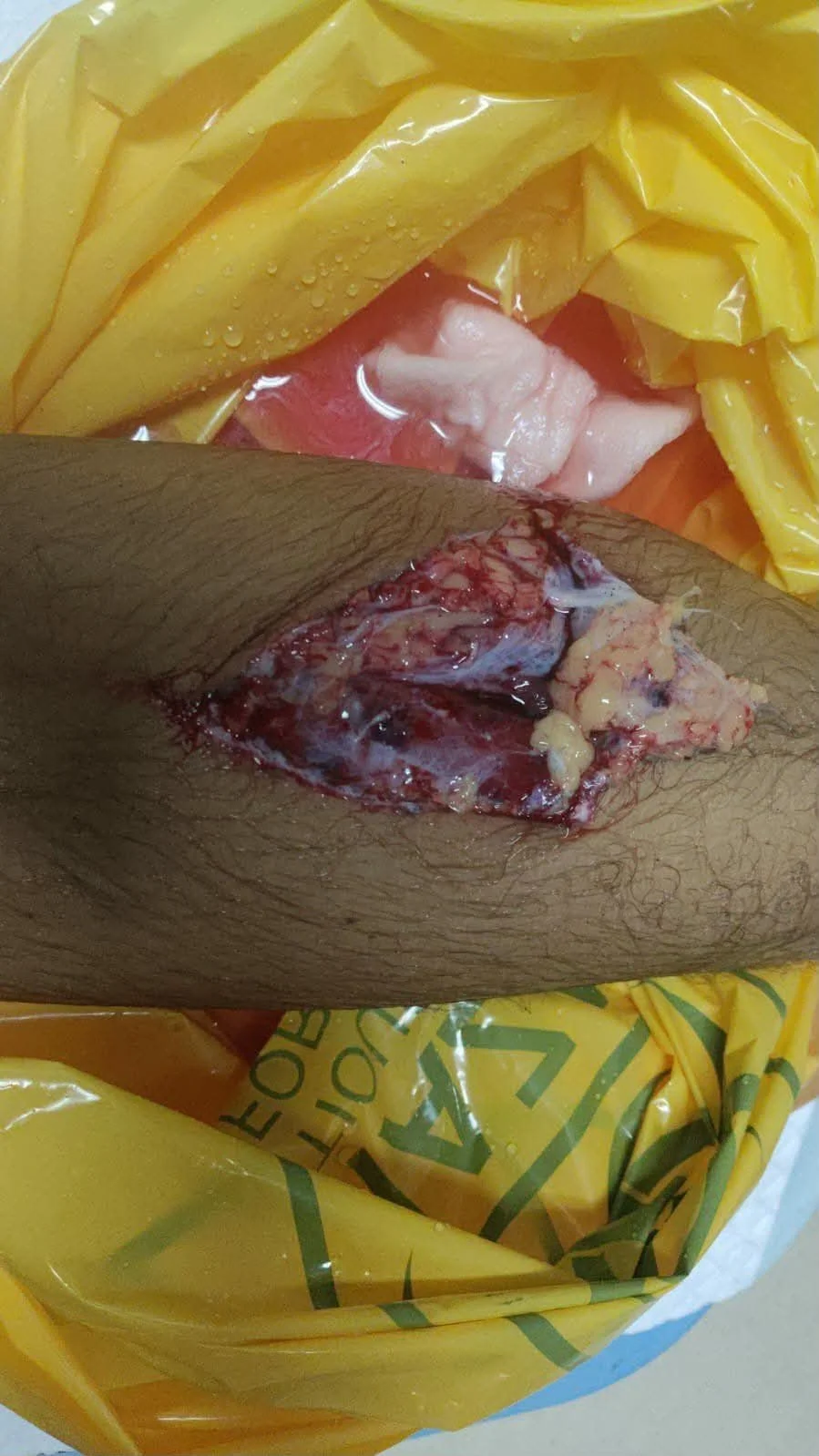
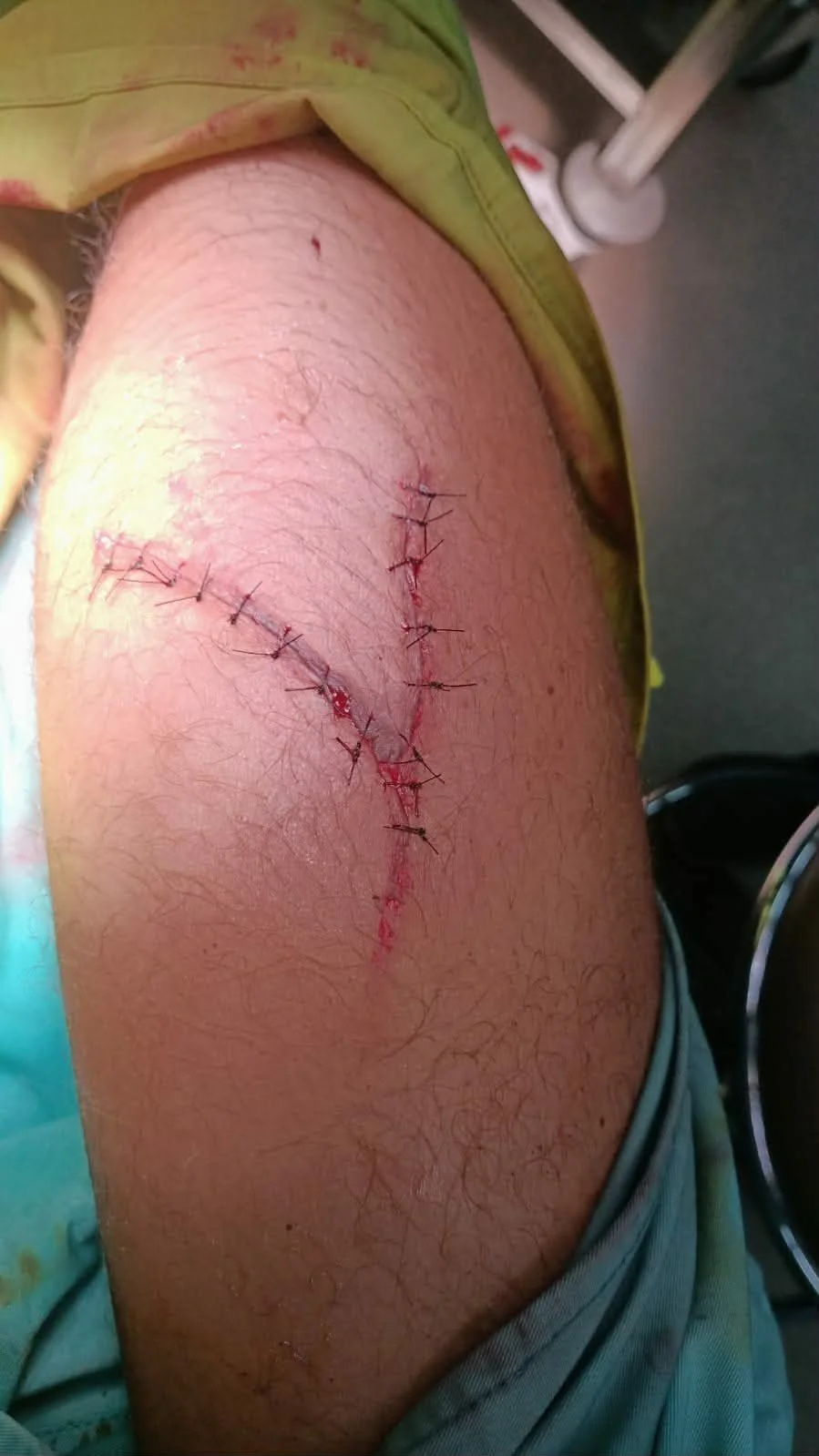
Fin injuries are no joke. Sadly, this was a self inflicted injury from a surfer in Canggu, Bali. This guy was lucky to be in Bali; but what happens if you are super remote? Do not assume the boat, camp, or resort will have what you need until you can seek medical attention.
Travel & Stomach Health
Covers common travel-related issues such as:
Stomach upset
Food-related illness
Dehydration during travel
From a Surfer + Medical Perspective
From both a medical and personal standpoint, preparation is one of the most overlooked aspects of surf health.
In many cases, injuries and illnesses don’t happen at convenient times or places. Whether it’s a reef cut, sting, or stomach issue while traveling, having the right supplies on hand can make a major difference in how quickly you recover—and whether you can continue your trip.
Even a simple setup can help you manage common issues early and avoid unnecessary complications.