

Stingray Sting
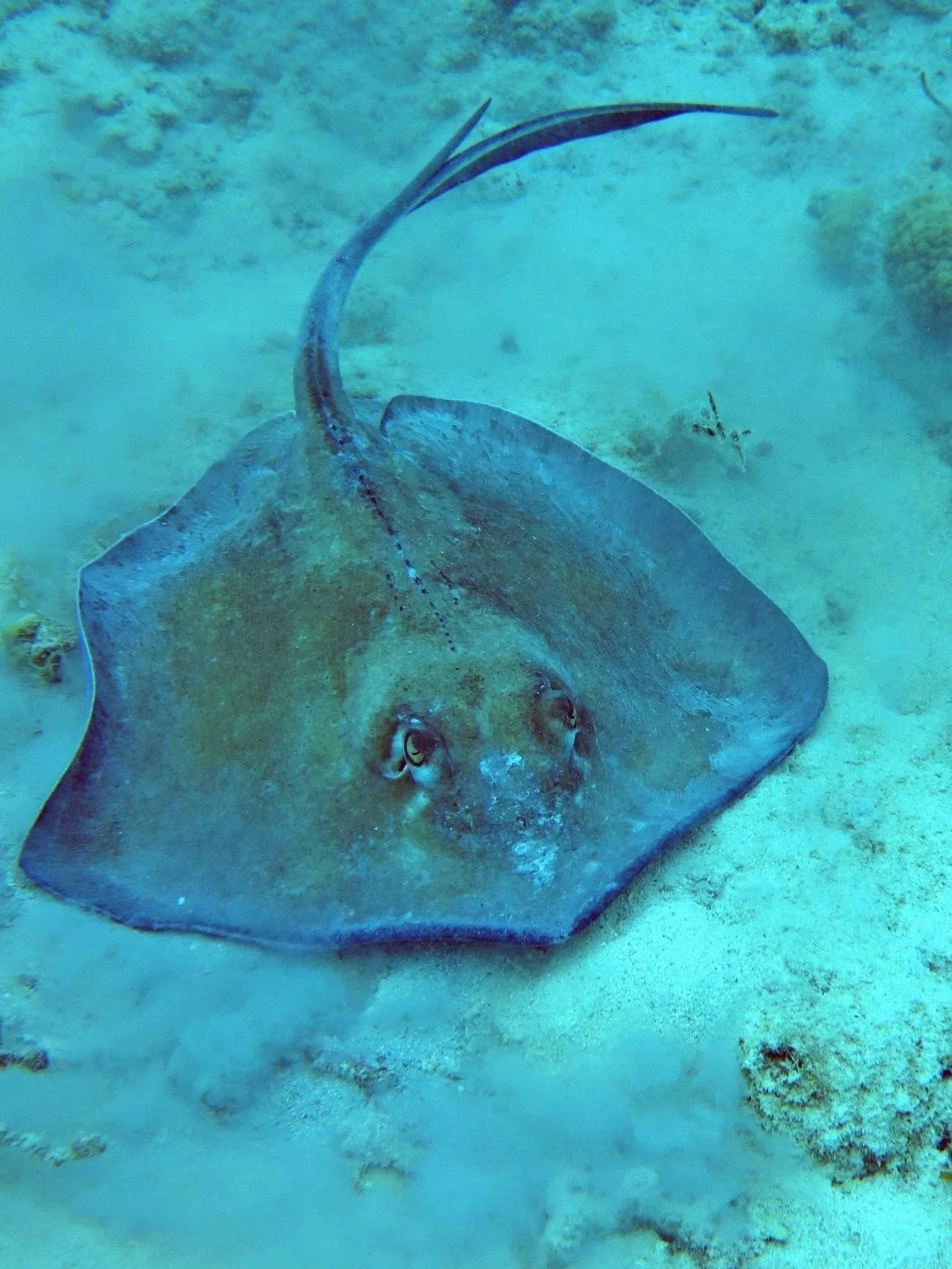
Stingray Sting: What To Do Immediately and How to Manage Pain
Stingray stings are one of the most painful injuries many surfers will ever experience. While most injuries are manageable, pain can be intense and prolonged, especially when the stinger penetrates deeply into the foot or lower leg.
Knowing how to respond quickly can make a major difference in both pain control and recovery.
What happens during a sting?
Stingrays use a barbed stinger in their tail for defense. Most injuries occur when a surfer accidentally steps on a stingray in shallow water, triggering a reflex strike.
The injury typically causes:
immediate severe pain
swelling
redness or bleeding
pain radiating up the limb
The foot and ankle are the most commonly affected areas.
Immediate treatment
Hot water immersion is the most effective first step
Current evidence strongly supports soaking the affected area in hot (not scalding) water for approximately 30–90 minutes.[1][2]
Heat may help inactivate venom components and significantly reduce pain.
Helpful steps include:
soaking the area in hot water (~104–113°F / 40–45°C)
rinsing and cleaning the wound
monitoring for retained spine fragments
avoiding walking barefoot after injury
Pain may temporarily return once the foot is removed from the water, and repeat soaking is sometimes necessary.
Infection risk
Marine wounds can expose surfers to bacteria uncommon in land-based injuries, including Vibrio species and other saltwater organisms.[3][7]
Risk may increase:
after surfing in warm water
after rainfall or runoff exposure
in individuals with weakened immune systems or liver disease
Some deeper wounds may require antibiotics or medical evaluation.
Seek medical care immediately if:
severe swelling develops
bleeding is difficult to control
part of the barb may still be embedded
pain becomes severe or worsening
signs of infection appear
the injury involves the chest, abdomen, or face
Tetanus vaccination status should also be reviewed after puncture wounds.
Why stingray wounds are different?
Unlike many marine stings, stingray injuries create a puncture wound, which increases concern for:
retained barbs or fragments
deeper tissue injury
marine bacterial infection
Ocean-related puncture wounds should be monitored closely for:
increasing redness
swelling
drainage
fever
worsening pain
Prevention: The “stingray shuffle”
One of the best prevention techniques is the classic “stingray shuffle”:
shuffle feet along the sand instead of stepping directly
This helps alert buried stingrays and allows them to swim away before contact occurs
From a Surfer + Medical Perspective
I’ve personally been stung twice, and the difference between experiences can be significant.
One sting was relatively mild—resulting in about 30 minutes to an hour of pain that gradually improved.
The other was completely different. The pain was immediate and intense—something I would describe as being hit by a bolt of lightning. It was severe enough that I found myself hyperventilating, with swelling extending from my foot up toward my calf.
Even without a retained barb, the reaction was significant enough to require an urgent care visit and treatment with steroids.
The most intense pain lasted several hours, but recovery took much longer. It was about a month before I could comfortably wear a shoe again, and closer to three months before I could return to running.
This range of severity is important—some stings are mild, while others can be much more serious.
Related Articles:
References
Myatt T, et al. J Emerg Med. 2018.
Clark RF, et al. J Emerg Med. 2007.
Auerbach PS. N Engl J Med. 1991.
Katzer RJ, et al. Prehosp Disaster Med. 2022.
CDC Yellow Book – Marine Envenomations.
Clark AT, et al. Am J Ther. 2017.
Cevik J, et al. Travel Med Infect Dis. 2022.