

Jellyfish Stings
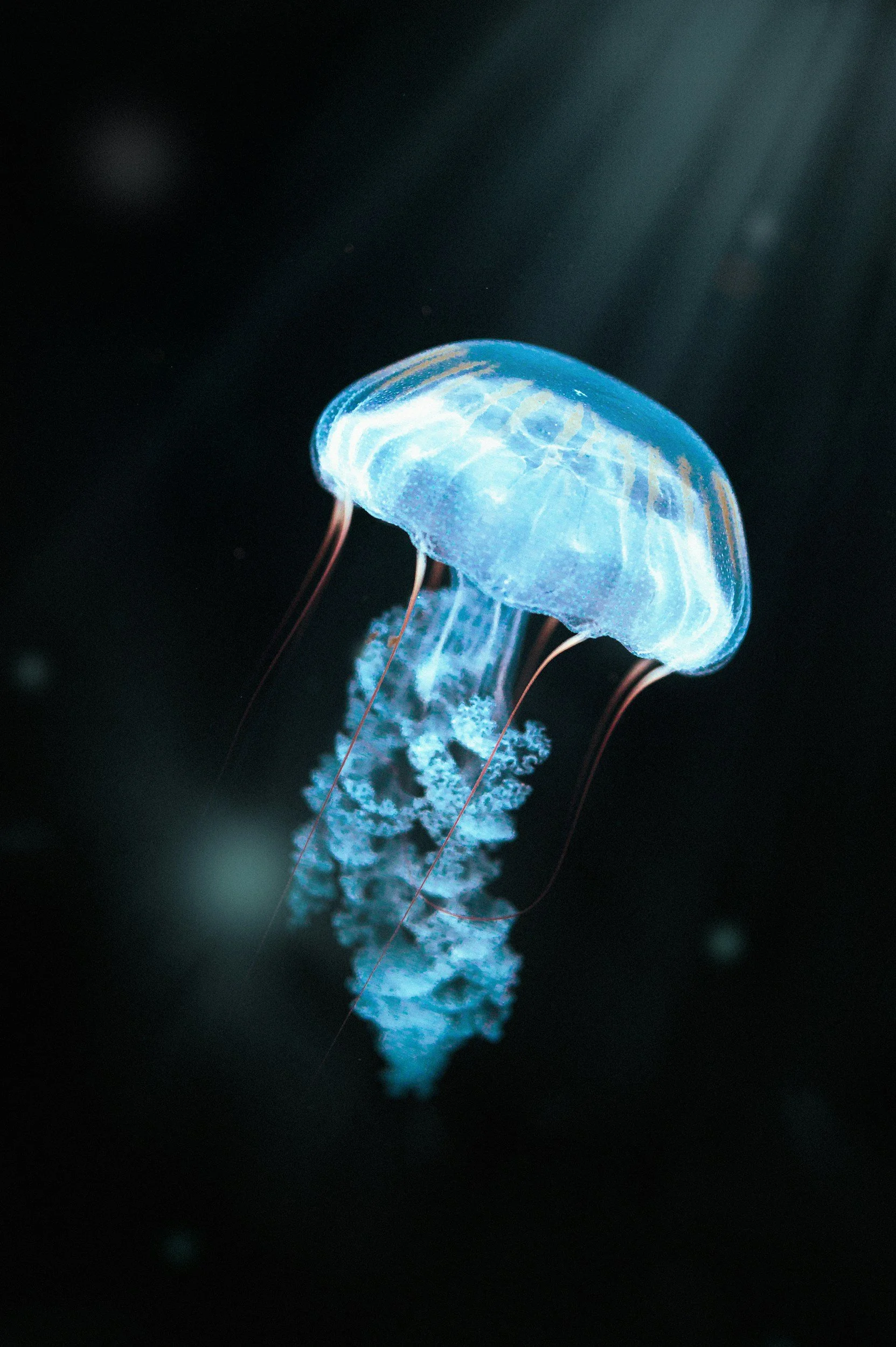
Jellyfish Stings: What to Do and What to Expect
Jellyfish stings are a common ocean hazard for surfers and travelers. Most stings cause mild to moderate pain and skin irritation, but some species can produce severe or even life-threatening reactions depending on the region and species involved.
Understanding the range
Jellyfish stings can vary from:
• mild skin irritation
• itchy “sea lice”–type rashes
• painful localized stings
• severe systemic reactions from dangerous species such as box jellyfish
Severity depends heavily on:
• geographic location
• jellyfish species
• amount of tentacle exposure
• individual allergic response
What to do
Current first-aid recommendations generally include:
• carefully remove visible tentacles with tweezers or gloved hands
• rinse with seawater (not fresh water)
• immerse the area in hot water when possible (~104–113°F / 40–45°C) for 20–30 minutes
• monitor for worsening symptoms
Hot water immersion is one of the most consistently supported treatments for pain relief in jellyfish stings.[1][4]
What NOT to do
Avoid:
• fresh water
• rubbing or scraping the area
• alcohol
• urine-based remedies
These may worsen nematocyst discharge and increase irritation or venom release.[1][2]
Seek emergency care immediately for:
difficulty breathing
chest pain
severe swelling
widespread rash
confusion or altered mental status severe pain with systemic symptoms
suspected box jellyfish exposure (especially in Australia/Indo-Pacific
Location matters
Different surf destinations carry different jellyfish risks.
Australia / Indo-Pacific
Potential exposure to:
• box jellyfish
• Irukandji syndrome
These species can cause severe systemic symptoms and require emergency medical care.
Hawaii / Tropical Pacific
More commonly associated with:
• painful but localized jellyfish stings
• Portuguese man-of-war exposure
• seasonal jellyfish blooms
California / North America
Most stings are mild to moderate and typically cause localized pain and irritation rather than severe systemic toxicity.
Tropical surf travel destinations
Areas such as:
• Bali
•Thailand
•Indo-Pacific islands
may expose surfers to unfamiliar marine species and should prompt additional caution and local awareness.
From a Surfer + Medical Perspective
From a clinical perspective, most jellyfish stings are manageable with supportive care, but certain marine species can cause significant systemic toxicity depending on the region. From a surfer’s perspective, many of us tend to underestimate marine life exposure while traveling — especially when surfing unfamiliar tropical destinations.
Understanding what marine species are common in your surf location and knowing basic first aid can make a major difference in both safety and recovery.
Related Articles:
References
1.Hewett Brumberg EK, et al. Circulation. 2024.
2.CDC Yellow Book – Marine Envenomations.
3.Auerbach PS. N Engl J Med. 1991.
4.McGee RG, et al. Cochrane Database Syst Rev. 2023.
5.Cunha SA, Dinis-Oliveira RJ. Int J Environ Res Public Health. 2022.