

Reef Cuts & Infections in Indonesia Surfing
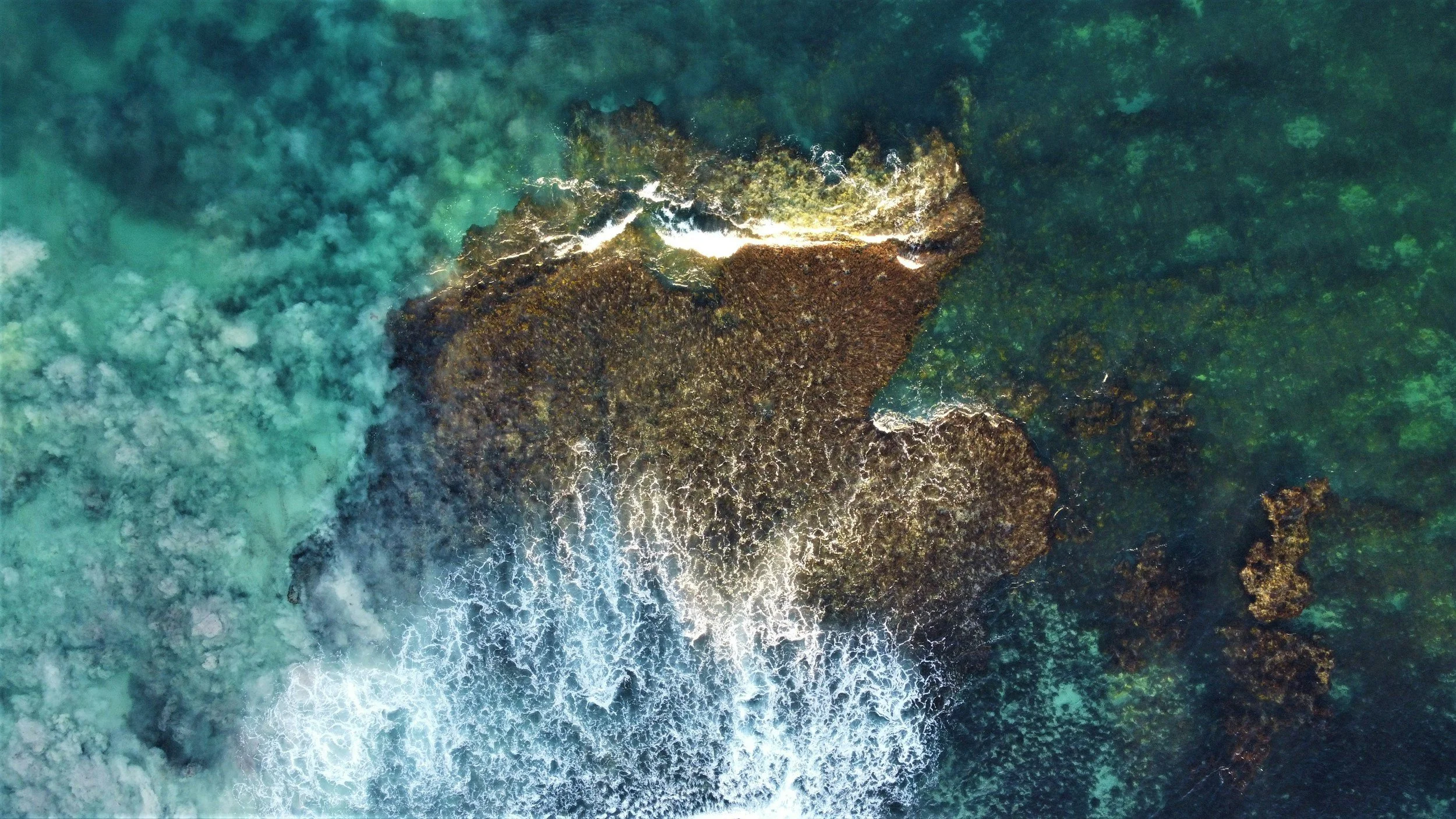
Indonesia’s surf breaks are world famous for a reason — but many also break directly over shallow coral reef.
From Bali to the Mentawai Islands, reef cuts are among the most common injuries affecting traveling surfers. While many injuries are minor, tropical marine infections can become serious quickly, particularly in remote regions with delayed medical access.¹
Why are Reef Cuts different?
From a medical perspective, coral injuries are not typical skin cuts.
Marine wounds may be exposed to bacteria uncommon in everyday land injuries, including:
Vibrio species
Aeromonas hydrophila
Pseudomonas
Mycobacterium marinum²
Warm ocean water, repeated surf exposure, retained coral fragments, and delayed wound care all increase infection risk.
Research has also shown ocean exposure may temporarily alter skin bacteria and increase antibiotic resistance gene exposure after swimming.³
Signs of an Infection
Seek medical evaluation if you develop:
spreading redness
swelling
increasing pain
pus or drainage
fever
red streaking
delayed healing
Tropical marine infections may progress rapidly.²
Immediate Reef Cut Care
Clean the wound early
Rinse thoroughly with clean water as soon as possible.
Remove coral fragments
Retained coral commonly prolongs inflammation and healing.
Limit ocean exposure
Repeated seawater exposure may worsen infection risk.
Keep wounds covered
Use sterile dressings and change them regularly.
From a Surfer + Medical Perspective
Many surfers continue surfing with open reef cuts for multiple days.
While understandable on a surf trip, this significantly increases infection risk — especially in warm tropical environments where surfers may be entering the ocean multiple times daily.
Remote surf camps and boat trips may also delay access to medical care or antibiotics.
Small cuts can become large problems surprisingly fast.
Why Doxycycline Is Particularly Interesting for Surf Travelers
Doxycycline is uniquely relevant for some surf travelers because it may serve multiple purposes.
Malaria prophylaxis
Doxycycline is one of the medications commonly prescribed for malaria prevention in certain regions of Indonesia.⁴
Marine wound coverage
The medication may also help provide coverage against some bacteria associated with saltwater wound infections.²
This overlap makes doxycycline especially relevant for remote surf travel where access to medical care may be delayed.
Medication decisions should always be individualized with a licensed physician or nurse practitioner prior to travel.
Practical Surf Travel Advice
Many experienced surf travelers carry a provider-prescribed wound kit containing:
antiseptic solution
sterile dressings
waterproof bandages
topical antibiotic ointment
oral antibiotics for emergency use
Tetanus vaccination should also be current before travel.⁵
References
Surfing Injuries: A Review for the Orthopaedic Surgeon. JBJS Reviews. 2021.
Management of Extremity Trauma and Related Infections Occurring in the Aquatic Environment. JAAOS. 2005.
Acquisition of Antibiotic Resistance Genes on Human Skin After Swimming in the Ocean. Environmental Research. 2021.
CDC Yellow Book — Indonesia.
Health Issues for Surfers. American Family Physician. 2005.