

Reef Cuts
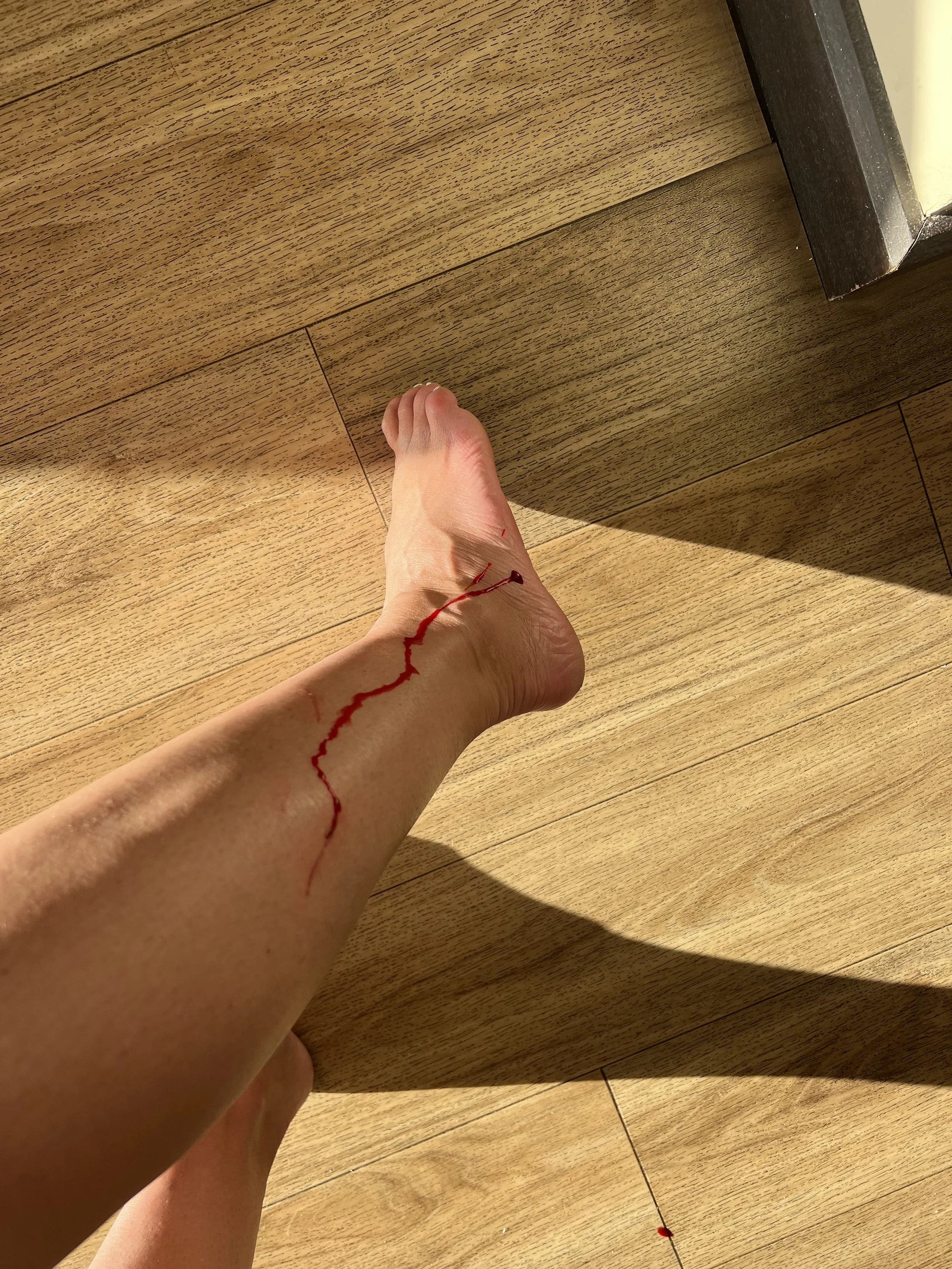
Reef Cuts: Why They’re Different and Why They Can Get Infected Easily
Reef cuts are one of the most common surfing injuries — especially during travel or shallow reef sessions. While many seem minor at first, reef wounds can become infected much more easily than regular cuts because of the combination of sharp coral, trapped debris, and ocean bacteria.
Unlike a clean cut on land, reef injuries are usually:
jagged
dirty
difficult to fully clean
repeatedly exposed to saltwater and bacteria
Even small cuts can worsen quickly if not cleaned properly.
Why reef cuts are different
Coral and reef are rough, irregular surfaces that can scrape and tear the skin while leaving behind:
sand
coral fragments
dirt and debris
These tiny particles can stay trapped inside the wound and delay healing or increase infection risk. Warm ocean water also contains bacteria that are very different from what we normally encounter on land.
Signs of infection
Watch closely for:
spreading redness
swelling
worsening pain
warmth around the wound
drainage or pus
fever or chills
What to do immediately? Clean it aggressively
This is the most important step.
Rinse thoroughly with clean water or saline
Remove visible sand or reef debris
Gently scrub if needed
Avoid immediately covering a dirty wound tightly
Many reef infections happen because small fragments remain trapped under the skin.
Stay out of the water
Continuing to surf on an open reef wound can:
worsen irritation
delay healing
repeatedly expose the wound to bacteria
Sometimes taking a few days out of the water prevents weeks of problems later.
If symptoms worsen instead of improve over a couple of days, the wound should be evaluated medically.
Prevention
Helpful prevention strategies include:
knowing reef depth and tides
avoiding unfamiliar reef breaks at very low tide
wearing reef booties when appropriate
cleaning cuts immediately after injury
carrying basic wound supplies during travel
Travel Tip for Surf Trips
If you are traveling somewhere remote with reef breaks and limited medical care, it can be smart to discuss a simple travel medical kit with your:
primary care provider
urgent care clinician
travel medicine specialist
Some surfers travel with antibiotics recommended specifically for marine-related skin infections in case medical access becomes difficult.
This is especially helpful for:
boat trips
isolated islands
tropical surf destinations
areas far from hospitals or pharmacies
From a Surfer + Medical Perspective
As a surfer, reef cuts are something you quickly learn to respect—especially when traveling. It’s easy to underestimate how sharp reefs can be until you experience it firsthand.
Many surf trips involve remote or exotic locations where access to proper wound care is limited. What might seem like a small cut can become a bigger issue when you don’t have immediate access to clean water, antiseptics, or proper bandaging.
One of the biggest challenges is where these cuts occur—often on the feet, toes, or ankles. These areas are constantly exposed, harder to keep clean, and slower to heal, especially if you continue surfing.
From a medical perspective, the biggest risk isn’t the cut itself—it’s infection. Early and thorough cleaning makes the biggest difference in preventing complications.
Related Articles:
Medical References
Nathanson A, et al. Am J Sports Med. 2007.
Noonburg GE. J Am Acad Orthop Surg. 2005.
Auerbach PS. N Engl J Med. 1991.
Diaz JH. J Travel Med. 2014.