

Do You Need Medical Evacuation Coverage for Remote Surf Boat Trips?
Why travel insurance and medical evacuation coverage are not the same thing
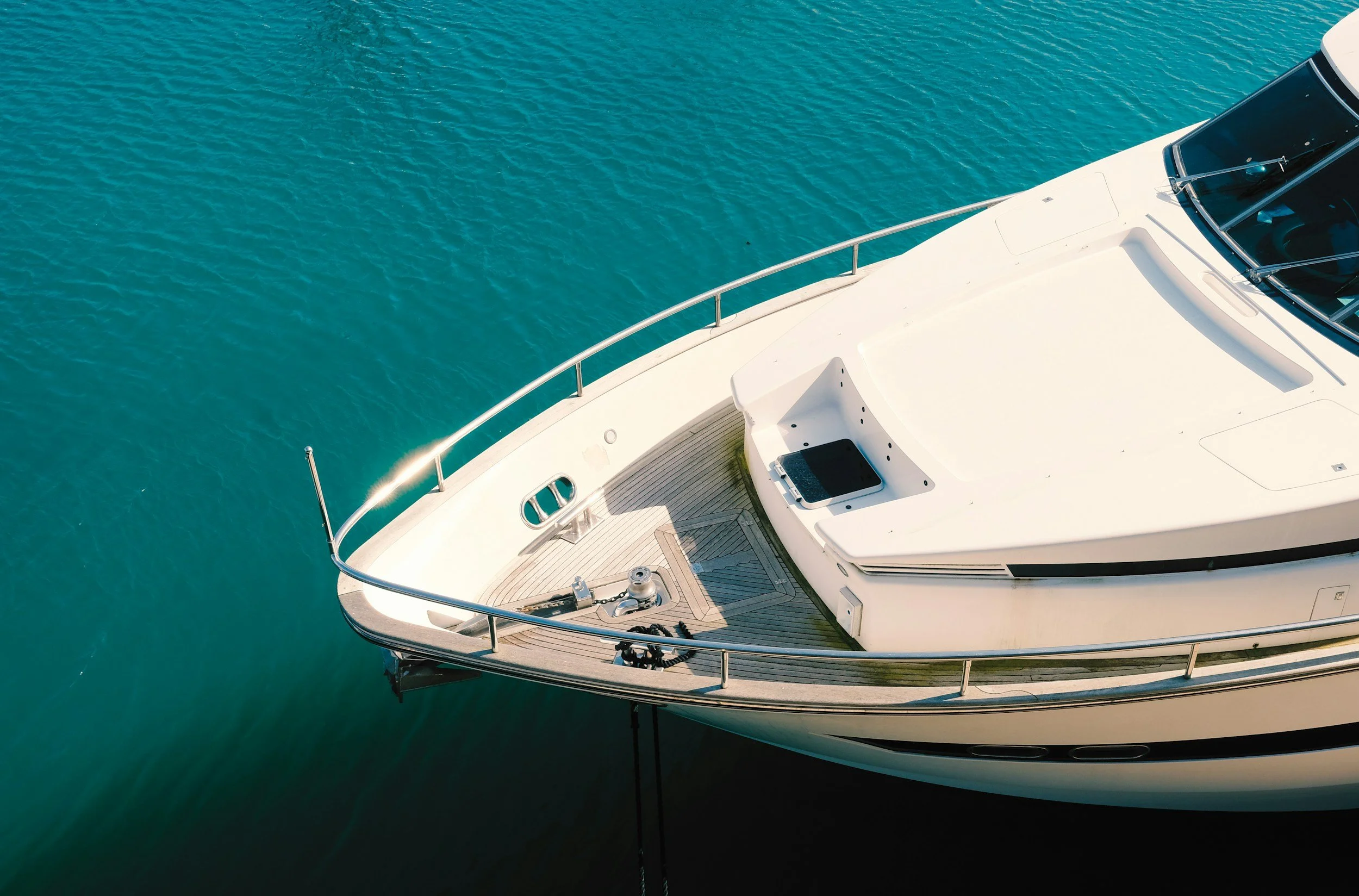
Few surf experiences compare to spending days or weeks aboard a surf charter exploring remote waves.
Whether you’re heading to the Mentawai Islands, Maldives, Papua New Guinea, Fiji, or another offshore destination, boat-based surf travel often provides access to world-class waves far from crowds—and far from medical care.
Most surfers think about swell forecasts, board selection, and reef hazards.
Far fewer think about what happens if a serious injury occurs hundreds of miles from the nearest hospital.
Why Remote Surf Boat Trips Are Different
Unlike land-based surf travel, boat trips introduce unique challenges:
Limited medical supplies
Delayed access to hospitals
No ambulance services
Weather-dependent transportation
Remote reef systems
Limited communication capabilities
When emergencies occur, evacuation logistics can quickly become the biggest challenge.
Common Emergencies on Surf Charters
Fortunately, most surf trips end without incident.
However, medical emergencies do occur.
Examples include:
Deep reef lacerations
Severe wound infections
Fractures
Shoulder dislocations
Head injuries
Near-drowning events
Severe allergic reactions
Appendicitis and other unexpected illnesses
Many of these conditions require care beyond what can reasonably be provided on a boat.
Travel Insurance vs Medical Evacuation Coverage
One of the biggest misconceptions among travelers is that travel insurance automatically covers everything.
In reality, travel insurance and medical evacuation coverage often serve different purposes.
Travel Health Insurance
May help cover:
Clinic visits
Emergency department visits
Hospitalization
Prescription medications
Medical treatment abroad
Medical Evacuation Coverage
May help coordinate and cover:
Boat extraction
Air ambulance transport
Helicopter evacuation
Transfer to advanced medical facilities
International medical transportation
For remote surf destinations, evacuation coverage is often the most important component.
Why Evacuation Costs Matter
Most surfers never need an evacuation.
But if one becomes necessary, costs can be substantial.
Medical evacuations from remote regions can range from tens of thousands of dollars to well over $100,000 depending on:
Location
Distance
Aircraft requirements
Medical complexity
International transport needs
The more remote the destination, the more complicated the logistics become.
What To Look For Before Your Trip
Before purchasing coverage, surfers should verify:
Surfing is covered under the policy
Medical evacuation benefits are included
Repatriation coverage is available
24-hour emergency assistance is provided
Coverage applies in the destination country
Direct coordination with hospitals is available
Not all policies are created equally.
Reading the details before departure is critical.
Medical Preparedness Beyond Insurance
Insurance is only one piece of preparation.
For remote surf boat trips, I also recommend carrying:
A comprehensive first aid kit
Wound care supplies
Prescription medications
Reef cut management supplies
Emergency contact information
Satellite communication capability when available
Preparation before the trip can significantly improve outcomes when problems arise.
From a Surfer + Medical Perspective
As both a surfer and medical professional, I believe remote boat trips deserve a different level of planning than most surf vacations.
The issue is rarely whether an injury will happen.
Most surfers complete their trips without major problems.
The challenge is that when something serious does occur, medical resources may be many hours—or even days—away.
I’ve seen surfers spend thousands of dollars planning the perfect trip while spending almost no time thinking about emergency medical logistics.
For remote destinations, travel insurance and medical evacuation planning should be considered part of the trip itself.
Bottom Line
Remote surf charters provide access to some of the best waves on Earth.
They also place surfers far from advanced medical care.
Understanding the difference between travel health insurance and medical evacuation coverage can help travelers make informed decisions before departure.
While nobody expects to need an evacuation, having a plan before an emergency occurs can provide peace of mind when exploring some of the world’s most remote surf destinations.
Related Articles:
References
Stoney RJ. Travel Insurance, Travel Health Insurance, and Medical Evacuation Insurance. CDC Yellow Book.
Van Tilburg C. Adventure Travel. CDC Yellow Book.
Backer HD, Smith DS. Travel Health Kits. CDC Yellow Book.
Noonburg GE. Management of Extremity Trauma and Related Infections Occurring in the Aquatic Environment. Journal of the American Academy of Orthopaedic Surgeons. 2005;13(4):243-253.
Wilde H, Roselieb M, Hanvesakul R, et al. Expatriate Clinics and Medical Evacuation Companies Are a Growth Industry Worldwide. Journal of Travel Medicine. 2003;10(6):315-317.