

Urinary Tract Infections (UTIs) and Surfing
Urinary tract infections (UTIs) are not commonly discussed in surfing, but ocean exposure may contribute to infection risk in certain situations — particularly after surfing in contaminated water or during prolonged time in wet gear.
Although direct research connecting surfing and UTIs is limited, studies have shown surfers have increased exposure to bacteria and antibiotic-resistant organisms found in seawater, especially after rainstorms and near runoff areas.
How Surfing May Increase UTI Risk
Several surfing-related factors may contribute to irritation or bacterial exposure:
Surfing after heavy rain when bacteria levels rise
Prolonged use of wet wetsuits or swimwear
Extended exposure to contaminated seawater
Contact with storm drains, river mouths, or polluted beaches
Warm, moist environments that encourage bacterial growth
Dehydration during long surf sessions
Research has shown surfers may have higher rates of colonization with antibiotic-resistant E. coli, the same bacteria responsible for many UTIs.
Common Symptoms of a UTI
Symptoms may include:
Burning with urination
Frequent urge to urinate
Pelvic discomfort or pressure
Cloudy or foul-smelling urine
Blood in the urine
Fever or back pain in more serious infections
Seek medical attention if symptoms worsen, persist, or are associated with fever, vomiting, or flank pain.
Prevention Tips for Surfers
You can help reduce infection risk by:
Avoiding surfing for 72 hours after heavy rain
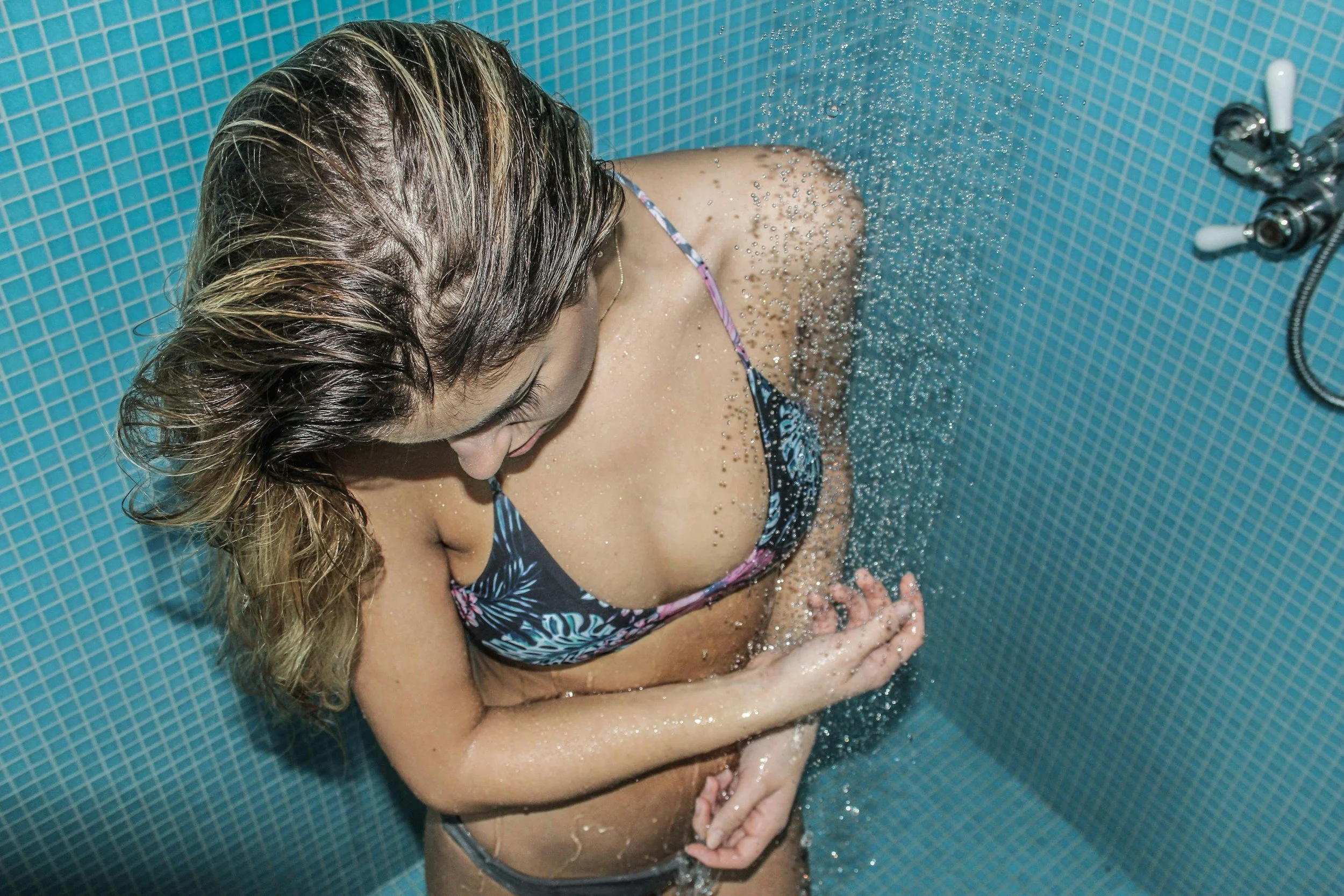
Showering and changing clothes after surfing
Staying hydrated during surf sessions
Avoiding prolonged sitting in wet swimwear
Urinating regularly and not “holding it”
Seeking treatment early if symptoms develop
Treatment
Very mild symptoms can clear on their own with increased hyration and time. But often symptomatic UTIs require antibiotic treatment.
Hydration (increase water intake)
urinate when you have the urge, do not hold.
Pain relief with Ibuprofen and Phenazopyridine hydrochloride medications (such as AZO)
Antiboitics (may be prescribed by medical professional)
From a Surfer + Medical Perspective
From a medical perspective, UTIs are most commonly caused by bacteria entering the urinary tract, with E. coli being the leading cause. Ocean exposure, prolonged moisture, and surfing after rain may increase bacterial exposure that could contribute to infection risk in some surfers.
From a surfer’s perspective, UTIs can quickly impact hydration, energy, recovery, travel plans, and time in the water. Long sessions in wet wetsuits, tropical surf travel, and limited bathroom access may worsen symptoms or increase discomfort.
Simple prevention strategies include:
changing out of wet wetsuits quickly
staying hydrated
rinsing off after surfing
avoiding post-rain surf sessions
avoiding heavily polluted beaches
seeking medical care for recurrent symptoms
If infections become recurrent or severe, urine cultures and proper medical evaluation are important — particularly because some bacteria associated with seawater exposure may be antibiotic-resistant.
Key Takeaway
The connection between surfing and UTIs is still being studied, but contaminated seawater exposure, prolonged moisture, and post-rain conditions may contribute to infection risk in some surfers. Awareness, hygiene, and avoiding polluted water can help lower risk and keep you healthy in and out of the water.
Related Articles:
References
Arnold BF, Schiff KC, Ercumen A, et al. Acute Illness Among Surfers After Exposure to Seawater in Dry- And Wet-Weather Conditions. American Journal of Epidemiology. 2017.
Leonard AFC, Singer A, Ukoumunne OC, et al. Risk of Acquiring Infections From Recreational Exposure to Seawater. International Journal of Epidemiology. 2018.
Leonard AFC, Zhang L, Balfour AJ, et al. Exposure to Antibiotic-Resistant E. coli in Coastal Water Users. Environment International. 2018.
Heida A, Hamilton MT, Gambino J, et al. QMRA Model for Antibiotic-Resistant E. coli in Recreational Water. Environmental Science & Technology. 2025.
Tseng LY, Jiang SC. Health Risks Associated With Surfing in Post-Storm Conditions. Marine Pollution Bulletin. 2012.