

Sun Burn
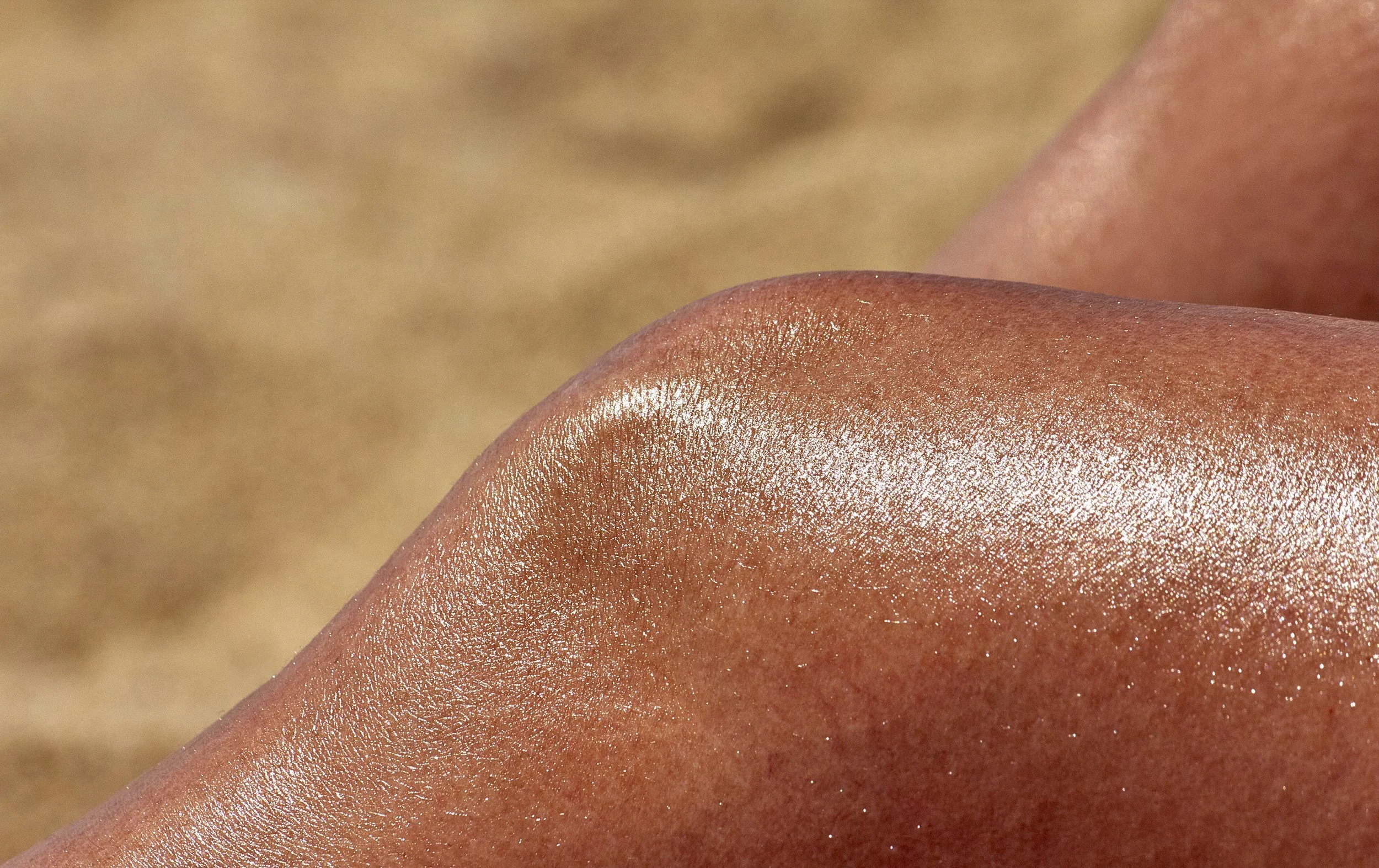
Sunburn in Surfers: Why It Happens & How to Prevent It
Sunburn is one of the most common surfing-related health issues. In one study, 76.7% of elite water-sport athletes reported at least one sunburn during a single season.[1]
Surfers face uniquely intense UV exposure because of:
prolonged time outdoors
reflection of UV rays off the water
sunscreen wash-off during sessions
repeated exposure over years
This combination increases the risk of:
painful burns
premature skin aging
actinic keratoses
basal cell carcinoma
melanoma
Australian screening studies have shown surfers carry dramatically elevated skin cancer rates compared to the general population.[2]
Why surfers burn faster
Surfing creates a “perfect storm” for UV exposure.
Water reflection increases UV exposure
Water reflects ultraviolet radiation back onto the skin — especially:
face
ears
nose
lips
shoulders
backs of legs
Even cloudy days can produce significant UV exposure.
Sunscreen wears off quickly
Even “water-resistant” sunscreen gradually breaks down in the ocean through:
immersion
wiping the face
sweating
toweling off
friction from paddling
Many surfers underestimate how quickly protection decreases during long sessions.
Long sessions add cumulative exposure
Unlike many outdoor sports, surfing often involves:
multiple-hour sessions
repeated exposure day after day
peak UV hours
tropical or equatorial environments
This cumulative exposure matters.
A history of repeated or blistering sunburns significantly increases future skin cancer risk.[3]
Best prevention strategies
Use broad-spectrum SPF 30+ or higher
Look for:
“broad-spectrum”
“very water resistant”
zinc oxide or mineral-based options for the face
Zinc-based sunscreens tend to stay on better during surfing.
Reapply earlier than you think
The biggest mistake surfers make is waiting too long to reapply.
For long sessions:
reapply every 80 minutes in the water at maximum
reapply immediately after surfing
consider a quick mid-session reapplication during breaks
Physical protection works best
The most reliable protection is coverage.
Best options:
rash guards
wetsuits
surf hats
UV shirts
sunglasses when not surfing
Unlike sunscreen, these do not wash off.
Don’t miss high-risk areas
Commonly forgotten spots:
ears
lips
scalp/hairline
backs of knees
tops of feet
neck
These are frequent skin cancer locations in surfers.
Signs of sunburn
Symptoms usually begin several hours after exposure and peak within 12–24 hours.
Mild
redness
warmth
tenderness
Moderate
swelling
painful skin
peeling after 2–3 days
Severe
blistering
fever
chills
nausea
headache
dehydration
Extensive blistering should be treated like a burn injury.
What to do after a sunburn
cool showers or baths
cold wet compresses
avoid direct ice on skin
Moisturize early
bland moisturizers
aloe vera
petrolatum-based products
Keeping the skin hydrated helps reduce discomfort.
Stay hydrated
Sunburn increases fluid losses and can worsen dehydration — especially after long surf sessions.
Anti-inflammatory medications
Ibuprofen or naproxen may help reduce:
pain
swelling
inflammation
Leave blisters intact
Do not intentionally pop blisters unless medically necessary.
The blister roof helps protect healing skin.
Avoid further sun exposure
Burned skin is significantly more vulnerable to:
additional UV damage
infection
delayed healing
If you continue surfing:
cover aggressively
avoid peak UV hours
use physical barriers
When to seek medical care
extensive blistering
facial swelling
severe pain
fever/chills
dehydration
confusion
signs of infection
From a Surfer + Medical Perspective
One of the easiest mistakes surfers make is underestimating cumulative sun exposure. Even surfers who “don’t burn easily” accumulate long-term UV damage over years in the water. The issue is not just the occasional bad burn — it is the repeated exposure over decades.
From a medical perspective, some of the highest skin cancer rates seen in outdoor athletes occur in surfers.
From a surfer’s perspective, prevention is much easier than dealing with:
skin biopsies
repeated freezing treatments
facial scarring
melanoma screening later in life
The best strategy is consistency:
sunscreen
physical coverage
early reapplication
regular skin checks
Related Articles:
References
De Castro-Maqueda G, et al. Int J Environ Res Public Health. 2021.
Climstein M, et al. PeerJ. 2022.
Weber I, et al. JAMA Dermatology. 2025.
Moehrle M. Clin Dermatol. 2008.
Lautenschlager S, et al. Lancet. 2007.
Diffey BL. J Am Acad Dermatol. 2001.
CDC Yellow Book. Sun Exposure in Travelers.
Hewett Brumberg EK, et al. Circulation. 2024.