

Remote Surf Destinations Where Medical Evacuation Coverage Matters Most
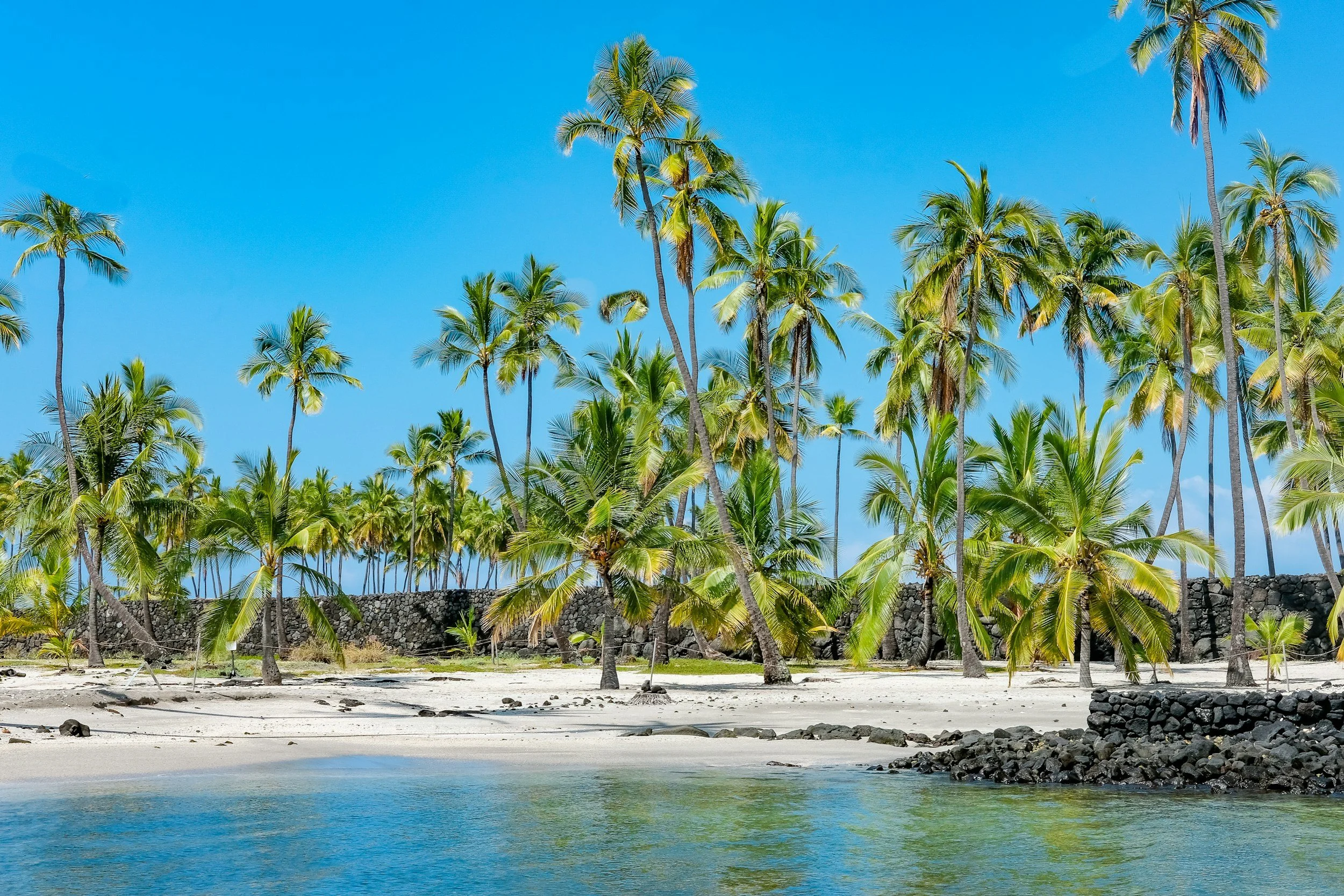
Some surf trips are far from the nearest hospital
Many surfers purchase travel insurance and never think twice about it.
But not all surf destinations carry the same level of risk.
Surfing close to home is very different from spending two weeks on a charter boat in the Mentawai Islands, exploring the outer atolls of the Maldives, or chasing waves in Papua New Guinea.
When injuries or serious medical emergencies occur in remote locations, the biggest challenge is often not the injury itself—it’s getting to definitive medical care.
Why Medical Evacuation Matters
Surfing is generally a safe sport, but injuries happen.
Common surfing injuries include:
Reef lacerations
Fractures
Head injuries
Shoulder injuries
Near-drowning events
Spinal injuries
Severe infections
Most injuries can be treated locally.
The problem arises when advanced medical care, surgery, imaging, or intensive care services are hours—or even days—away.
For remote surf travelers, medical evacuation planning becomes an important part of risk management.
1. Mentawai Islands, Indonesia
The Mentawais are one of the world’s premier surf destinations.
They are also one of the most remote.
Most surfers reach the islands by ferry or charter boat from Padang, Sumatra.
While basic clinics exist, serious injuries typically require evacuation to Padang and, in some cases, transfer to larger regional medical centers.
Potential concerns include:
Major reef injuries
Severe infections
Head trauma
Fractures
Appendicitis or other medical emergencies
The farther offshore you travel, the more challenging evacuation logistics become.
2. Nias, Indonesia
Nias is famous for powerful waves and heavy reef breaks.
Although infrastructure has improved significantly over the years, advanced medical resources remain limited compared with major international centers.
Serious injuries may require transport to Medan or other larger facilities.
Travelers should remember that weather, transportation availability, and geography can all influence evacuation times.
3. Sumbawa, Indonesia
Sumbawa offers world-class surf with a much lower population density than neighboring Bali.
Many surf camps are located far from advanced medical facilities.
For surfers exploring remote areas, transportation delays can complicate care for:
Deep reef lacerations
Fractures
Severe infections
Major trauma
Even injuries that seem straightforward may require lengthy transfers before definitive treatment becomes available.
4. Papua New Guinea
Papua New Guinea remains one of the most adventurous surf destinations on the planet.
Its isolation is part of the appeal.
It is also part of the risk.
Outside major urban centers, access to emergency medicine, specialist care, advanced imaging, and surgery can be limited. For surfers traveling to remote provinces or boat-based destinations, evacuation planning deserves serious consideration.
5. Fiji’s Outer Islands
Many travelers associate Fiji with luxury resorts and easy access to healthcare.
That can be true on the main islands.
The outer islands are a different story.
Medical resources become increasingly limited the farther a traveler moves from major population centers. Weather conditions may also affect transportation options during emergencies. For surfers exploring remote reefs and outer-island breaks, evacuation coverage can provide an additional layer of protection.
6. Maldives Outer Atolls
The Maldives consists of hundreds of islands spread across a vast area of the Indian Ocean.
While Malé has modern medical facilities, many outer atolls have only basic healthcare services.
Transportation often relies on:
Speedboats
Seaplanes
Domestic flights
These options may not always be immediately available during severe weather or nighttime hours. A serious injury may require significant logistical coordination before advanced care is reached.
What To Look For In Medical Evacuation Coverage
Not all travel insurance policies are the same.
Surfers should verify that their policy:
Covers medical evacuation and repatriation
Covers surfing and adventure sports
Provides 24-hour emergency assistance
Has experience coordinating care in remote locations
Covers international medical transportation
Many experienced travelers carry both travel insurance and a dedicated medical evacuation membership.
From a Surfer + Medical Perspective
As both a surfer and medical professional, I believe most surf travelers spend far more time planning boards, swell forecasts, and accommodations than they do preparing for emergencies.
Fortunately, most trips end with great waves and great memories.
But remote destinations change the equation.
In places like the Mentawais, Papua New Guinea, and the outer atolls of the Maldives, the challenge is often not the injury itself—it’s getting to the right medical facility quickly.
Whether the problem is a reef injury, severe infection, head trauma, or an unexpected medical illness, evacuation logistics can become a major factor in the outcome.
That’s why I view medical evacuation planning as part of responsible surf travel.
Bottom Line
Remote surf destinations offer some of the best waves on Earth.
They also present unique medical challenges.
The farther you are from advanced healthcare, the more important it becomes to think about evacuation planning before your trip begins.
Medical evacuation coverage may never be used—but for surfers traveling to remote regions such as the Mentawais, Nias, Sumbawa, Papua New Guinea, Fiji’s outer islands, or the Maldives, it can provide peace of mind when access to medical care is limited.
Related Articles:
Explore Global Rescue Plans Below:
References
Rupert J, Groh T, Allen R. The Pretravel Consultation. American Family Physician. 2025;111(3):245-253.
Minasian B, Hope N. Surfing on the World Stage: A Narrative Review of Acute and Overuse Injuries and Preventative Measures for the Competitive and Recreational Surfer. British Journal of Sports Medicine. 2022;56(1):51-60.
Bickley RJ, Belyea CM, Harpstrite JK, Min KS. Surfing Injuries: A Review for the Orthopaedic Surgeon. JBJS Reviews. 2021;9(4).
Stoney RJ. Travel Insurance, Travel Health Insurance, and Medical Evacuation Insurance. CDC Yellow Book.
Imray CH, Grocott MP, Wilson MH, Hughes A, Auerbach PS. Extreme, Expedition, and Wilderness Medicine. The Lancet. 2015;386(10012):2520-2525.